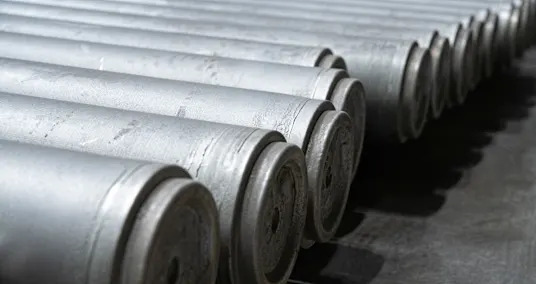
Fears of global aluminium shortages that could affect the production of clean energy technologies intensified after Iran struck two major Gulf aluminium producers, sending prices to a four-year high. The Middle East accounts for 9% of the world’s production of aluminum, which is essential to a wide range of industries from transportation, construction, and packaging, as well as the manufacture of solar panels, electrical transmission systems, wind turbines, and EVs.
Export shipments to the US and Europe had already come to a halt because of the effective closure of the Strait of Hormuz, and Morgan Stanley economists singled out aluminium as carrying a high level of risk across the value chain. Andy Farida, an aluminium analyst at Fastmarkets, told Semafor that high prices would be passed on to end-users, ultimately causing demand destruction. “A prolonged shutdown (with little to no alternative supplies other than Russia and China) could cripple the supply of aluminium to support the production of clean and green technology,” he said, adding that relief could come “if governments allow some sanctioned Russian and Chinese aluminium to be imported.”

latest_posts
- 1
 Haunting Giant Squid Surfaces in Japan and Devours Its Prey (Video)
 - 2'Stranger Things' star debunks claims of 'unseen footage' from Season 5, Volume 2 as backlash intensifies ahead of the series finale
- 3Rights group: At least 2,500 deaths during protest crackdown in Iran
- 4How did humans evolve, and will we evolve more?
- 5The new queen of country music has no scandals and no gimmicks — and just broke a record set by Taylor Swift




- Flourishing in a Cutthroat Work Market: Vocation Methodologies
- The most effective method to Promoter for Cutthroat Medical attendant Compensations in Your Medical services Office
- The Main 20 Gaming Control center Ever
- Well known Worldwide Caf\u00e9s to Experience
- Picking the Right Doctor prescribed Medication Inclusion in Senior Protection.
- The most effective method to Guarantee Simple Availability in Seniors' SUVs
- Examination In progress into Abuse of Japanese Government-Supported Advance
- Watch Chinese astronauts enjoy '1st ever space BBQ' from Tiangong's brand-new oven (video)
- The Electric Bicycle Americans Can Confide in 2024


