A massive dust storm, or haboob, swept across the Sahara Desert from western Algeria into Mauritania, Morocco, Western Sahara and the Canary Islands on March 30. The dust stretched for more than 1,000 miles.
As meteorologists observed the dust storm from space via weather satellites, social media users captured the incoming dust storm on camera. One video shows a thick wall of dust and sand moving toward a resident of the town of Tindouf, near the Mauritanian, Western Saharan and Moroccan borders.
How does the dust affect tropical storms in the Atlantic?
While this storm didn't make it too far off the coast, significant amounts of dust can drift westward from Africa across the Atlantic beginning in May. This can inhibit tropical storm formation, or the strengthening of an existing system, because the dusty air has about 50% less moisture than the typical tropical atmosphere.
Strong winds in the dust layer can also substantially increase the vertical wind shear in and around the storm environment, potentially disrupting any storm that forms.
latest_posts
- 1
 Australia Cracks Down on Gambling Ads as Prediction Markets Like Polymarket Remain Blocked
 - 2Figure out How to Augment the Advantages of a Web-based Degree
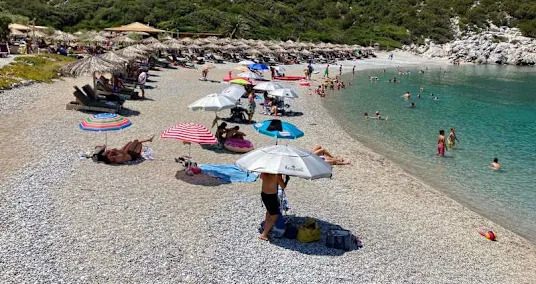
- 3Tourist trade in Greece and Cyprus suffering from Iran war effects
- 4In a scientific first, biologists recorded a wild wolf potentially using tools
- 5Tesla Stock Hasn’t Looked This Cheap in a While



- 25 of the world’s best sandwiches
- Monetary Wellness: Planning Tips for Independence from the rat race
- Mom warns of Christmas gift hazard as daughter recovers in hospital
- Scientists sent a menstrual cup to space. This is how it went
- Israel's Druze use AI to present to UN testimonies of 'sexual terrorism' against Syrian Druze women
- Watch Blue Origin's huge New Glenn rocket ace its epic landing on a ship at sea (video)
- How to watch 'A Charlie Brown Christmas' for free in 2025
- China resumes flights to North Korea after a six-year pause
- The Electric Bicycle Americans Can Confide in 2024